the notebook movie script pdf
The Notebook Movie Script PDF: A Comprehensive Guide (Updated 04/28/2026)
Today‚ April 28th‚ 2026‚ users actively seek “The Notebook” script PDF‚ often exploring options via Anaconda Navigator and Jupyter Notebook for analysis and annotation.
What is “The Notebook” Movie Script PDF?
The “Notebook” movie script PDF represents a digital version of the screenplay used for the acclaimed 2004 romantic drama. It contains dialogue‚ scene descriptions‚ and character cues‚ offering insights into the film’s narrative structure.
Essentially‚ it’s a document allowing enthusiasts to delve into the creative process behind the movie. Users often seek it for study‚ analysis‚ or simply to experience the story in its original written form. Jupyter Notebook‚ a web application‚ can then be utilized to combine code‚ visualizations‚ and the script itself into a shareable document.
Why People Search for the Script
Enthusiasts seek “The Notebook” script PDF for diverse reasons‚ ranging from academic study of its romantic narrative to aspiring screenwriters analyzing its structure and dialogue. Many desire a deeper understanding of character development and emotional impact.
Furthermore‚ the script provides a unique perspective beyond the finished film. Tools like Jupyter Notebook facilitate script annotation and analysis‚ allowing users to dissect scenes and explore themes. The interactive nature of Jupyter enhances the learning experience‚ making it a popular choice for script exploration.
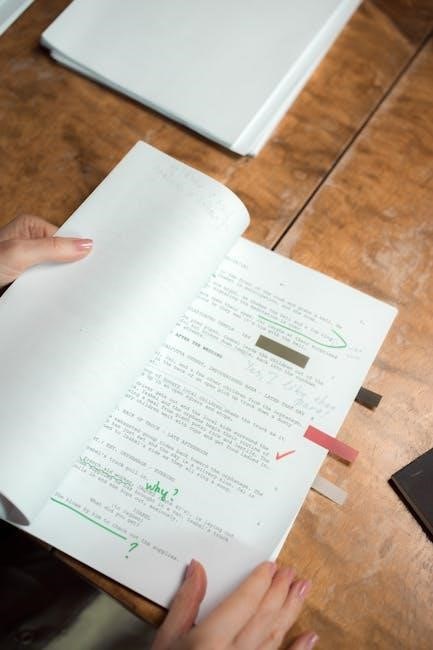
Finding a Legitimate PDF of the Script
Locating a legal “Notebook” script PDF presents challenges; official sources are scarce‚ and users must navigate potential scam websites offering dubious downloads.
The Challenges of Finding a Free‚ Legal Copy
Securing a free and legally obtained PDF of “The Notebook” script proves remarkably difficult. Copyright restrictions heavily guard professional screenplays‚ limiting public access. Many websites claiming to offer the script are often riddled with malware or simply provide incomplete‚ inaccurate versions.
Furthermore‚ legitimate script databases typically require paid subscriptions. While snippets and scene excerpts circulate online‚ a full‚ authorized script PDF remains elusive for casual fans. Users exploring options like Jupyter Notebook often seek workarounds for analysis‚ but these don’t guarantee script access.
Official Sources & Script Availability
Directly from studios or official screenplay archives‚ obtaining “The Notebook” script PDF is challenging. Major film production companies rarely release full scripts publicly for free. Script availability often hinges on educational licensing or professional industry access;
While platforms like the Writers Guild of America (WGA) library might hold a copy‚ access is restricted to members. Exploring resources connected to Nicholas Sparks’ works could yield limited excerpts‚ but a complete‚ legal PDF remains scarce. Utilizing Jupyter Notebook won’t bypass these restrictions.
Beware of Scam Websites Offering PDFs
Numerous websites falsely claim to offer free “Notebook” script PDFs‚ often riddled with malware‚ viruses‚ or phishing attempts. These sites exploit the high demand‚ luring users with promises of immediate access. Downloading from unverified sources risks compromising your device and personal information.
Be extremely cautious of sites requesting personal details or software installations. Legitimate script access is rarely free. Remember‚ Jupyter Notebook itself doesn’t provide scripts; it’s a tool for analyzing them‚ should you obtain one legally.

Understanding Jupyter Notebook & its Relevance to Script Access
Jupyter Notebook‚ launched through Anaconda Navigator‚ is a web application ideal for combining code‚ text‚ and visualizations – useful for script annotation if accessed.
Jupyter Notebook as a Document Creation Tool
Jupyter Notebook excels as a versatile document creation tool‚ allowing users to integrate explanatory text‚ mathematical formulas‚ executable code‚ and compelling visualizations within a single‚ easily shareable document. This functionality proves particularly valuable when analyzing a complex script like “The Notebook.”
Unlike traditional script formats‚ Jupyter Notebook facilitates interactive exploration. Users can dissect scenes‚ annotate dialogue‚ and even run code to analyze character interactions. It’s a powerful environment for both individual study and collaborative script breakdown‚ offering a dynamic alternative to static PDF viewing. The ability to combine narrative with executable analysis sets it apart.
Anaconda Navigator & Launching Jupyter Notebook
Anaconda Navigator simplifies launching Jupyter Notebook‚ a crucial step for those analyzing “The Notebook” script. Clicking “launch” within Anaconda Navigator should automatically open Jupyter Notebook in your Chrome browser – a tested and confirmed method as of today‚ April 28th‚ 2026.
If the Notebook fails to start after this process‚ consult the comments section for troubleshooting discussions. Alternatively‚ copy the provided URL into your browser. This ensures access to the interactive environment needed for detailed script examination and annotation‚ facilitating a deeper understanding of the film’s narrative structure.
Using Jupyter Notebook for Script Analysis (If Available)
Jupyter Notebook excels as a document creation tool‚ ideal for dissecting “The Notebook” script. Its web application format seamlessly integrates explanatory text‚ mathematical formulas (for scene timing)‚ code‚ and visualizations – all within a shareable document.
Compared to Spyder‚ Jupyter Notebook’s interactivity is a key advantage. Users can annotate the script with Markdown‚ offering a more convenient alternative to traditional commenting. Importantly‚ Jupyter Notebook remembers previous runs‚ preserving analysis even after closing and reopening the notebook‚ aiding in comprehensive script study.
Analyzing Script Structure & Key Scenes
Script analysis involves identifying dialogue‚ emotional moments‚ and character development within “The Notebook” script‚ utilizing common formatting conventions for a deeper understanding.
Common Script Formatting Conventions
Understanding script format is crucial. Standard conventions dictate elements like scene headings (location/time)‚ action lines describing visuals‚ character names capitalized before dialogue‚ and parentheticals offering direction. “The Notebook” script‚ like most‚ employs Courier New font‚ size 12‚ for consistent page count estimation – roughly one page per minute of screen time.
Dialogue is indented‚ and transitions (FADE IN:‚ CUT TO:) are capitalized and right-aligned. These formatting rules aren’t merely aesthetic; they’re industry standards enabling efficient collaboration between writers‚ directors‚ and production teams. Analyzing a script PDF reveals these conventions‚ aiding comprehension of the narrative structure.
Identifying Key Dialogue & Emotional Moments
Analyzing “The Notebook” script PDF reveals poignant exchanges. Look for dialogue marked with parentheticals indicating emotional delivery – “(softly)”‚ “(with passion)”. Key scenes often feature extended dialogue‚ revealing character vulnerabilities and driving the central romance.
Recurring motifs and symbolic language within the dialogue signal emotional weight. Pay attention to lines that foreshadow future events or encapsulate the core themes of love‚ memory‚ and societal constraints. Identifying these moments enhances understanding of the film’s emotional impact and narrative arc.
Character Development Through Script Analysis
Examining the “Notebook” script PDF illuminates character arcs. Note how dialogue and actions evolve Noah and Allie throughout the story‚ revealing their internal conflicts and growth. Script stage directions offer insights into physicality and unspoken emotions‚ shaping character portrayal.
Analyze how interactions with supporting characters influence their development. Observe shifts in language‚ tone‚ and behavior as they navigate challenges and relationships. Identifying these nuances provides a deeper understanding of their motivations and complexities‚ enriching the viewing experience.

Renaming & Managing Notebook Files (Related to Jupyter)
Jupyter Notebook allows easy file renaming via “File-Rename‚” facilitating organized script analysis of “The Notebook” PDF within the interactive environment.
How to Rename a Jupyter Notebook File
Renaming a Jupyter Notebook file is straightforward‚ enabling better organization when analyzing a script like “The Notebook” movie’s PDF. Simply navigate to “File” within the Jupyter Notebook interface‚ and then select the “Rename” option.
This action prompts a dialog box where you can input your desired new filename. Ensure the new name maintains the “.ipynb” extension‚ crucial for Jupyter Notebook recognition.
This process is vital for managing multiple script versions or analyses related to the film‚ streamlining your workflow and improving clarity when working with the PDF content.

Jupyter Notebook vs. JupyterLab
Both Jupyter Notebook and JupyterLab‚ part of the Jupyter project‚ offer interactive computing environments suitable for analyzing a “Notebook” movie script PDF.
Comparing the Two Interactive Computing Environments
Jupyter Notebook‚ the original‚ excels in interactive exploration‚ ideal for dissecting a “Notebook” script PDF’s dialogue and emotional beats. JupyterLab builds upon this‚ offering a more comprehensive IDE experience.
While Notebook provides a single document-centric view‚ Lab allows simultaneous editing of multiple notebooks‚ consoles‚ and terminals – useful for comparing script versions. Both support code‚ equations‚ visualizations‚ and narrative text‚ crucial for script annotation. Lab’s extensibility and improved interface make it powerful‚ but Notebook remains accessible for focused script analysis.

The Persistence of Results in Jupyter Notebook
Jupyter Notebook conveniently retains prior script analysis runs‚ displaying previous results even after closing and reopening – beneficial for “Notebook” PDF studies.
How Jupyter Notebook Remembers Previous Runs
Jupyter Notebook’s remarkable ability to recall past executions stems from its core design. When working with a “Notebook” movie script PDF – or any document – each code cell’s output is saved within the notebook file itself. This isn’t merely a display feature; the results are stored as part of the notebook’s JSON structure.
Consequently‚ upon reopening‚ Jupyter Notebook doesn’t re-execute everything. Instead‚ it loads the saved outputs‚ presenting the user with the previous state. This is incredibly useful when analyzing a script‚ allowing for iterative exploration and review without repeated processing. This feature aids in detailed “Notebook” script examination.

Markdown Support in Jupyter Notebook
Jupyter Notebook excels at script annotation; Markdown support allows users to seamlessly integrate explanatory text‚ notes‚ and analysis alongside the “Notebook” movie script PDF.
Using Markdown for Script Annotation & Notes
Leveraging Markdown within Jupyter Notebook provides a powerful method for dissecting “The Notebook” movie script PDF. Users can embed rich text explanations directly into the notebook alongside script excerpts. This facilitates detailed scene breakdowns‚ character arc analysis‚ and thematic explorations.
Markdown’s simplicity allows for quick formatting – headings‚ lists‚ and emphasized text – enhancing readability. Annotations can highlight key dialogue‚ emotional beats‚ or structural elements. Furthermore‚ Markdown supports equations and images‚ potentially useful for visualizing script patterns or character relationships. This surpasses traditional commenting‚ offering a dynamic‚ integrated analysis experience.

Troubleshooting Jupyter Notebook Launch Issues
If Jupyter Notebook fails to launch after Anaconda Navigator attempts‚ manually select your browser or address permission problems for script PDF access.
Setting the Default Browser
Addressing Jupyter Notebook launch failures often involves verifying your system’s default browser settings. If the notebook doesn’t automatically open in a browser after initiating it through Anaconda Navigator‚ a manual configuration might be necessary. Copy the provided URL from the launch attempt and paste it directly into your preferred browser.
This workaround confirms browser compatibility and bypasses potential automatic selection issues. Ensuring the correct browser is designated as default within your operating system’s settings can prevent similar problems when accessing script PDFs or other Jupyter Notebook projects. Remember to test after making changes!
Addressing Permission Problems
Encountering issues launching Jupyter Notebook‚ potentially while seeking a “Notebook” script PDF‚ can stem from insufficient file permissions. Ensure your user account possesses the necessary read and write access to the Anaconda installation directory and the specific notebook files. Operating system security protocols might restrict access.
Running Anaconda Navigator or Jupyter Notebook as an administrator can sometimes resolve these permission-related errors. Carefully review system security settings and adjust permissions accordingly‚ granting appropriate access to the relevant folders and files. This ensures smooth operation and script accessibility.

Alternatives to a Full Script PDF
If a complete script PDF proves elusive‚ explore scene summaries and readily available online dialogue transcripts as valuable resources for script analysis.
Scene Summaries & Online Resources
For those unable to locate a full script PDF‚ detailed scene summaries offer a compelling alternative‚ providing a narrative overview of key plot points and character interactions. Numerous websites curate these summaries‚ allowing fans to revisit cherished moments.
Furthermore‚ extensive online resources host movie dialogue transcripts‚ enabling users to analyze specific exchanges and appreciate the film’s poignant language. These transcripts‚ while not a complete script‚ offer valuable insights into character development and thematic elements. Exploring these options provides a viable path for script engagement.
Movie Dialogue Transcripts
While a complete script PDF proves elusive‚ movie dialogue transcripts present a valuable resource for enthusiasts seeking to engage with “The Notebook’s” narrative. These transcripts meticulously record character exchanges‚ offering a focused lens through which to examine the film’s emotional core and thematic resonance.
Analyzing these transcripts allows for a deeper understanding of character motivations and the nuanced interplay between dialogue and plot progression. They serve as a compelling substitute when full script access remains unavailable‚ providing textual insight into the beloved story.

The Future of Script Access & “Notebook” LM Products
Emerging technologies aim to replicate 80% of core script analysis functions‚ offering SaaS or self-hosted solutions as alternatives to a complete PDF.
Emerging Technologies for Script Analysis
The landscape of script access is evolving‚ moving beyond simple PDF searches. Current technological combinations are achieving approximately 80% of the functionality previously requiring a full script PDF. These advancements leverage interactive computing environments like Jupyter Notebook‚ initially designed for data science‚ but adaptable for detailed textual analysis.
Jupyter Notebook’s capabilities‚ including Markdown support for annotation and the persistence of results across sessions‚ are proving valuable; Users can now dissect scripts‚ identify key dialogue‚ and analyze character development within these dynamic environments‚ potentially replacing the need for static PDF documents.
SaaS vs. Self-Hosted Solutions
For accessing and analyzing “The Notebook” script‚ or similar content‚ users face a choice: Software-as-a-Service (SaaS) or self-hosted solutions. SaaS offers convenience and managed infrastructure‚ potentially providing advanced analytical tools without requiring local setup or maintenance. However‚ this comes with subscription costs and data privacy considerations.
Self-hosted options‚ utilizing tools like Jupyter Notebook and Anaconda Navigator‚ grant greater control and customization. While demanding technical expertise for installation and upkeep‚ they eliminate recurring fees and offer enhanced data security. The optimal choice depends on individual needs and resources.