ashtanga yoga pdf
Ashtanga Yoga PDF: A Comprehensive Guide
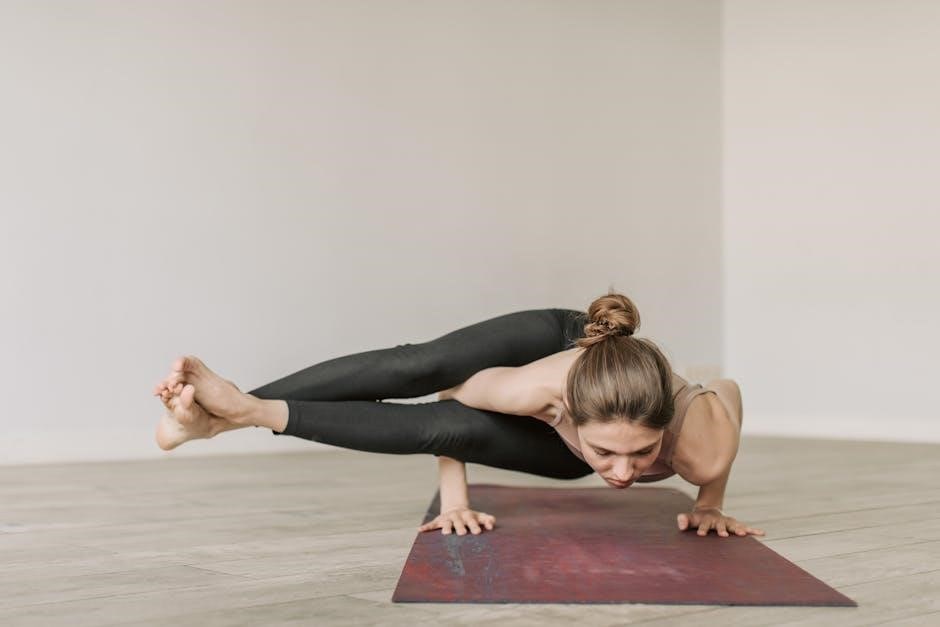
Ashtanga Yoga‚ deeply rooted in tradition‚ offers downloadable resources like PDF guides and cheat sheets for practitioners of all levels.
These PDFs detail sequences – Sun Salutations‚ Standing and Seated Poses – and Asanas from the Primary Series‚ as taught by Pattabhi Jois.
What is Ashtanga Yoga?
Ashtanga Yoga is a dynamic and physically demanding yoga practice originating in Mysore‚ India‚ and systematized by Sri K. Pattabhi Jois. The name “Ashtanga” translates to “eight limbs‚” referencing the eight-fold path of yoga outlined in Patanjali’s Yoga Sutras‚ providing a holistic approach to well-being.
Unlike some modern yoga styles‚ Ashtanga follows a precise sequence of postures‚ linked by breath (vinyasa) and internal energetic locks (bandhas). This creates a flowing‚ meditative practice that builds heat‚ strength‚ and flexibility. A key aspect is the emphasis on drishti – a focused gaze point – which aids concentration.
Many practitioners utilize Ashtanga Yoga PDF resources to learn and refine the sequences. These guides often detail the Primary Series‚ the foundational sequence‚ and can be invaluable for home practice or supplementing studio classes. The practice is often described as “99% practice‚ 1% theory‚” highlighting the importance of consistent physical application.
The practice isn’t merely physical; it’s a journey of self-discovery‚ aiming to quiet the mind and cultivate inner peace through disciplined movement and breath control.
The Eight Limbs of Ashtanga
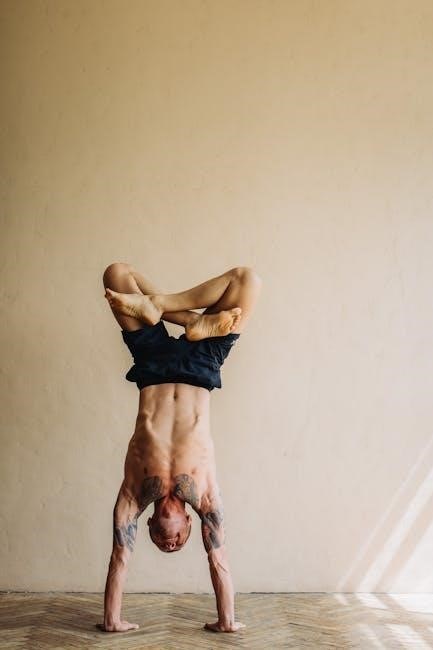
The term “Ashtanga” signifies the eight limbs of yoga‚ as detailed in Patanjali’s Yoga Sutras‚ forming a comprehensive path towards self-realization. These aren’t sequential steps‚ but rather interconnected aspects of practice that support one another.
Yamas (ethical restraints) and Niyamas (observances) establish a moral foundation – encompassing honesty‚ non-violence‚ and self-discipline. Asana (postures) – often detailed in Ashtanga Yoga PDF guides – builds physical strength and stability. Pranayama (breath control) regulates energy flow‚ while Pratyahara (withdrawal of the senses) cultivates inner focus.
Dharana (concentration) directs the mind‚ leading to Dhyana (meditation)‚ and ultimately Samadhi (blissful union). While Ashtanga Yoga PDF resources primarily focus on the asana component‚ understanding the broader context of these eight limbs is crucial.
The physical practice of Ashtanga‚ with its precise sequences‚ serves as a powerful tool to prepare the body and mind for deeper exploration of these principles. A complete practice integrates all eight limbs‚ fostering holistic well-being.
Pattabhi Jois and the Modern Ashtanga System
Sri K. Pattabhi Jois is the central figure in popularizing the modern system of Ashtanga Yoga. He received the teachings from his guru‚ Krishnamacharya‚ and developed a dynamic‚ flowing practice emphasizing a fixed sequence of postures.
Jois’s method‚ often documented in detailed Ashtanga Yoga PDF guides‚ centers around the Primary Series‚ and progresses through Intermediate and Advanced Series as students develop strength and flexibility. These PDF resources frequently acknowledge his lineage and teachings.
He stressed the importance of vinyasa – the synchronization of breath and movement – and the use of bandhas (energetic locks). Jois’s emphasis on self-practice‚ guided by a qualified teacher‚ is a hallmark of the Mysore style‚ often described in Ashtanga Yoga PDF materials.
His dedication to preserving and sharing this ancient practice has led to a global community‚ with numerous PDFs and online resources dedicated to his teachings‚ ensuring the accessibility of Ashtanga Yoga for generations.
The Core Principles of Ashtanga Practice
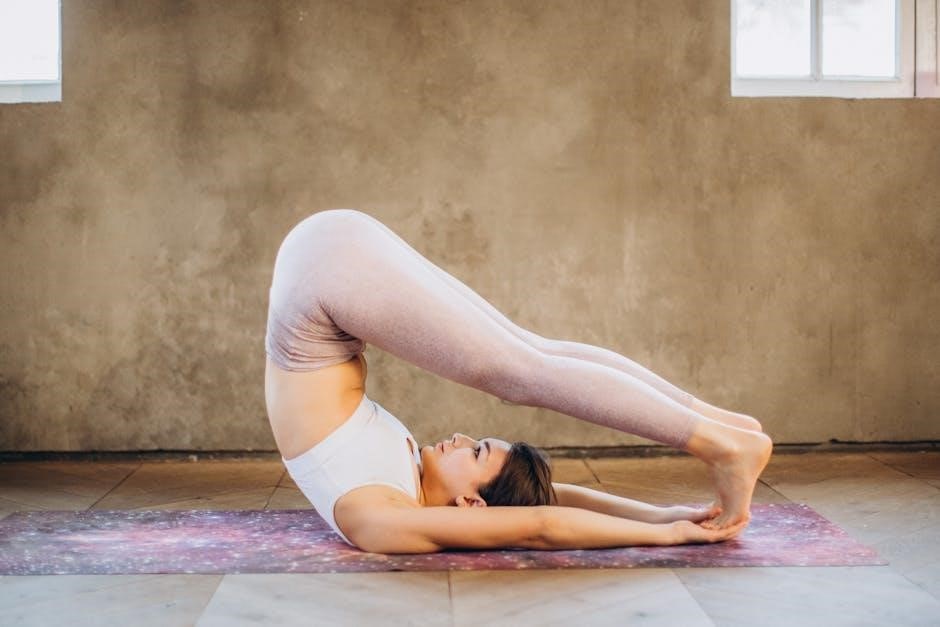
Ashtanga Yoga’s core lies in Tristhana – breath‚ posture‚ and gaze – often detailed in Ashtanga Yoga PDF guides. Vinyasa and Bandhas are crucial elements.
PDFs illustrate these principles.
Vinyasa: Breath-Synchronized Movement
Vinyasa‚ a cornerstone of Ashtanga Yoga‚ is the dynamic linking of postures with the breath‚ meticulously outlined in many Ashtanga Yoga PDF resources. These PDF guides often break down the vinyasa sequences – the specific inhale and exhale counts paired with each movement – making them accessible for practice.
The system‚ as described in downloadable materials‚ isn’t merely about flowing through poses‚ but about creating an internal heat and purification through this breath-synchronized motion. PDF cheat sheets frequently depict the vinyasa count for Sun Salutations A & B‚ and the transitions within the Standing and Seated sequences.
Understanding vinyasa is fundamental; PDFs emphasize that each pose flows into the next utilizing the breath and bandhas. Practitioners can find detailed visual breakdowns within these guides‚ aiding in correct alignment and rhythmic movement. The goal is a meditative flow‚ and PDFs help achieve this.
Bandhas: Energetic Locks
Bandhas‚ or energetic locks‚ are integral to Ashtanga Yoga practice and are thoroughly explained in many Ashtanga Yoga PDF guides. These PDF resources detail the three primary bandhas – Mula Bandha (root lock)‚ Uddiyana Bandha (abdominal lock)‚ and Jalandhara Bandha (chin lock) – and their application within each asana.
PDFs emphasize that bandhas aren’t simply muscular contractions‚ but subtle energetic engagements that stabilize the core‚ direct energy flow‚ and deepen the practice. Visual aids within these guides often illustrate the precise activation of each lock. They are crucial for safe and effective practice.
Many Ashtanga Yoga PDF cheat sheets highlight how bandhas work in conjunction with vinyasa and breath. Correct engagement of the bandhas is presented as essential for maintaining stability‚ preventing injury‚ and unlocking the full benefits of the practice‚ as taught by Pattabhi Jois.
Tristhana: The Three Points of Attention
Tristhana‚ the three points of attention in Ashtanga Yoga‚ are comprehensively covered in detailed Ashtanga Yoga PDF materials. These PDF guides explain that Tristhana encompasses Drishti (gaze point)‚ Bandha (energetic lock)‚ and Ujjayi breath – all practiced simultaneously.
PDF resources illustrate how maintaining a fixed Drishti helps focus the mind‚ while engaging the Bandhas stabilizes the body and directs energy. The consistent practice of Ujjayi breath‚ described in these guides‚ creates internal heat and rhythmic flow.
Many Ashtanga Yoga PDF cheat sheets emphasize that mastering Tristhana is fundamental to the vinyasa system. They explain that these three elements work synergistically‚ creating a dynamic and meditative practice‚ as originally taught by Pattabhi Jois; Correct application‚ as detailed in the PDFs‚ is key to a safe and transformative experience.

Ashtanga Yoga Primary Series Breakdown
Ashtanga Yoga PDF resources meticulously detail the Primary Series‚ including Sun Salutations‚ the Standing Sequence‚ and Seated Poses.
PDFs offer pose breakdowns for focused practice.
Sun Salutations A & B (Suryanamaskara A & B)
Ashtanga Yoga PDF guides frequently begin with detailed breakdowns of Suryanamaskara A and B‚ foundational to the practice. These Sun Salutations aren’t merely warm-ups; they are integral vinyasa sequences‚ linking breath to movement.
PDF resources illustrate Suryanamaskara A as consisting of nine Vinyasas‚ while Suryanamaskara B expands to seventeen. These guides often provide step-by-step instructions‚ accompanied by images‚ to ensure correct alignment and breath synchronization. Understanding the precise count – ekam‚ dve‚ trini‚ catvari‚ panca‚ sat‚ sapta‚ astau‚ nava – is crucial‚ and PDFs often include these Sanskrit terms.
Many Ashtanga Yoga PDF cheat sheets present these sequences in a concise‚ printable format‚ ideal for placing beside your mat during self-practice. They emphasize the importance of Samasthiti (equal standing) as the starting and returning point‚ highlighting the cyclical nature of the practice. Mastering these foundational sequences‚ as detailed in the PDFs‚ is essential before progressing further.
Standing Poses (Standing Sequence)
Ashtanga Yoga PDF resources dedicate significant attention to the Standing Sequence‚ a challenging yet foundational element of the Primary Series. These PDF guides typically detail each pose with precise instructions and visual aids‚ emphasizing proper alignment and the engagement of Bandhas.
Commonly included poses‚ as illustrated in these PDFs‚ are Tadasana (Mountain Pose)‚ Uttanasana (Forward Fold)‚ and variations of Ardha Uttanasana. PDF cheat sheets often break down the Vinyasa count for transitions between poses‚ ensuring a smooth‚ breath-synchronized flow.
Detailed Ashtanga Yoga PDFs will also address common modifications and contraindications for each pose‚ catering to practitioners of varying levels. They highlight the importance of maintaining Tristhana – breath‚ posture‚ and gaze – throughout the sequence. These downloadable resources serve as invaluable companions for both beginners and experienced practitioners seeking to refine their practice of the Standing Sequence.
Seated Poses
Ashtanga Yoga PDF guides comprehensively cover the Seated Poses‚ a crucial component of the Primary Series‚ offering detailed visual and textual instructions. These PDF resources typically follow the Standing Sequence‚ transitioning into poses performed while seated on the floor.
Expect to find detailed breakdowns of poses like Paschimottanasana (Seated Forward Bend)‚ Purvottanasana (Reverse Plank)‚ and various seated twists. PDF cheat sheets often illustrate the correct alignment and Vinyasa transitions‚ emphasizing the connection between breath and movement.
Advanced Ashtanga Yoga PDFs may include preparatory poses and modifications for practitioners with limited flexibility. They also highlight the importance of maintaining Bandhas and Tristhana throughout the sequence. These downloadable resources are invaluable for understanding and practicing the Seated Poses safely and effectively‚ deepening your overall Ashtanga practice.
Ashtanga Yoga: Practical Application & Resources
Ashtanga Yoga PDF resources support practice‚ including Mysore-style self-practice guides and printable pose sequences. PDF cheat sheets offer accessible asana references.
Downloadable materials enhance learning!
Mysore Style Ashtanga: Self-Practice with Guidance
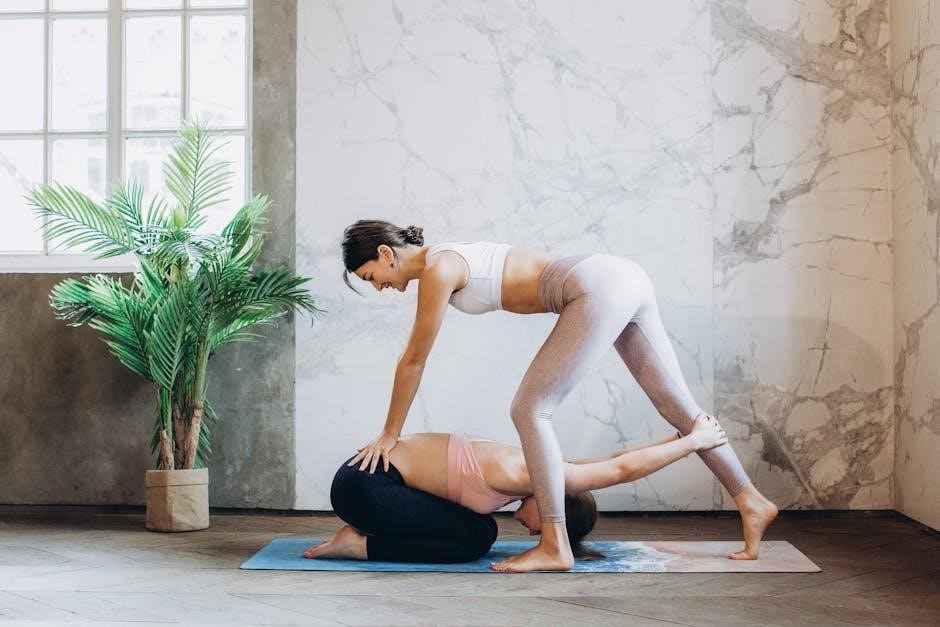
Mysore style Ashtanga is a unique and deeply personal approach to practice‚ fostering independence while receiving individualized attention. Unlike a led class‚ practitioners move through the sequence at their own pace‚ building a strong foundation and cultivating self-awareness.
A qualified teacher provides hands-on adjustments and verbal guidance‚ offering support and refinement as needed. This method is ideal for all levels‚ from beginners to advanced students‚ as it allows for a customized experience. Many studios‚ like Ashtanga Yoga Victoria‚ offer dedicated Mysore classes where students “drop-in” during open hours.
PDF resources can supplement Mysore practice by providing a visual reference for the sequence. While a teacher’s guidance is invaluable‚ having a PDF cheat sheet can aid in memorization and understanding the order of poses. These PDFs often include images and detailed instructions‚ empowering students to take ownership of their practice and deepen their connection to the tradition.
Remember‚ Mysore is about the journey‚ not just the destination.
Finding Ashtanga Yoga PDFs & Cheat Sheets
Numerous online resources offer Ashtanga Yoga PDFs and cheat sheets‚ catering to various learning styles and practice levels. These downloadable materials are invaluable tools for both beginners and experienced practitioners seeking to deepen their understanding of the sequence.
Websites like Kino Yoga (www.kinoyoga.com) provide accessible Primary Series guides in PDF format‚ outlining Sun Salutations‚ the Standing Sequence‚ Seated Poses‚ and the Finishing Sequence. These often include photographic breakdowns of each asana‚ aiding in correct alignment.
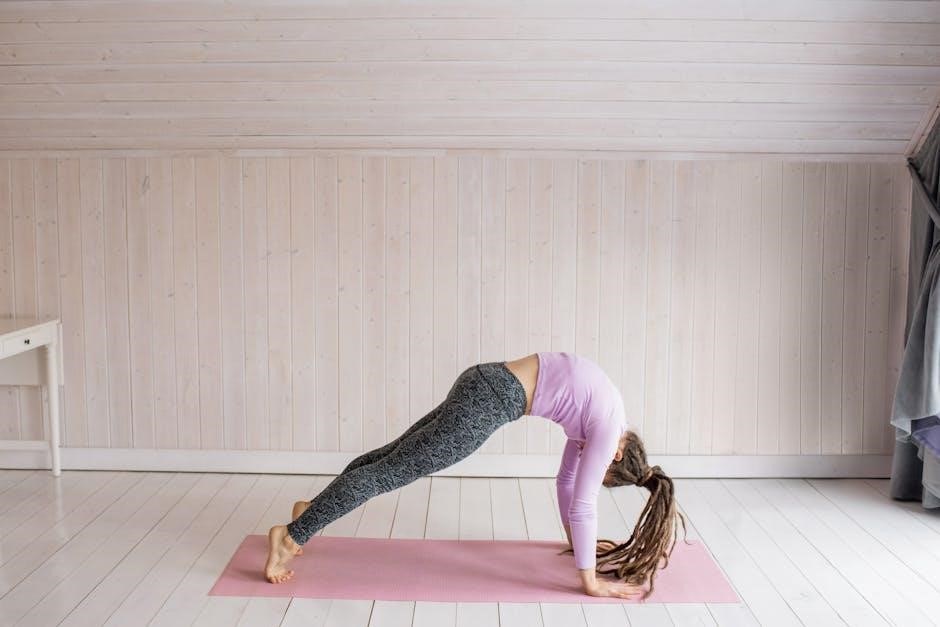
Searching for “Ashtanga Yoga cheat sheet” yields practical‚ printable formats displaying pose sequences in a concise manner. Some PDFs even cover multiple series‚ offering a comprehensive overview of the system. Remember to prioritize resources from reputable teachers and schools to ensure accuracy and safety. Utilizing these PDFs alongside regular classes or Mysore practice can significantly enhance your learning experience.

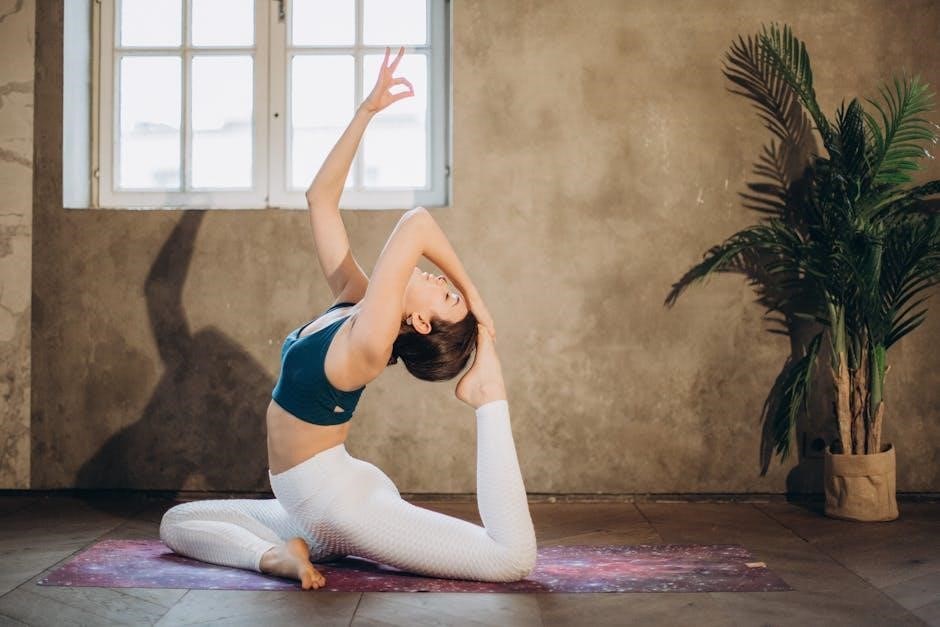
Always practice with awareness and respect for your body.
Ashtanga Yoga for Beginners: Getting Started
Embarking on your Ashtanga Yoga journey requires patience and a mindful approach. While PDF guides can be helpful‚ starting with qualified instruction is crucial. Ashtanga Yoga Victoria recommends their beginner program as an excellent foundation.
Begin by familiarizing yourself with Samyasthiti‚ the equal standing pose‚ the starting point for many sequences. Understand the core principles: Vinyasa (breath-synchronized movement)‚ Bandhas (energetic locks)‚ and Tristhana (the three points of attention).
Initially‚ focus on mastering Sun Salutations A & B. Don’t attempt the entire Primary Series immediately. Start with three rounds‚ gradually increasing to five or six as your strength and stamina build. PDFs can supplement your learning‚ but prioritize proper form over completing the sequence. Consider Mysore style classes for personalized guidance and a self-paced practice. Remember‚ Ashtanga is 99% practice‚ 1% theory!
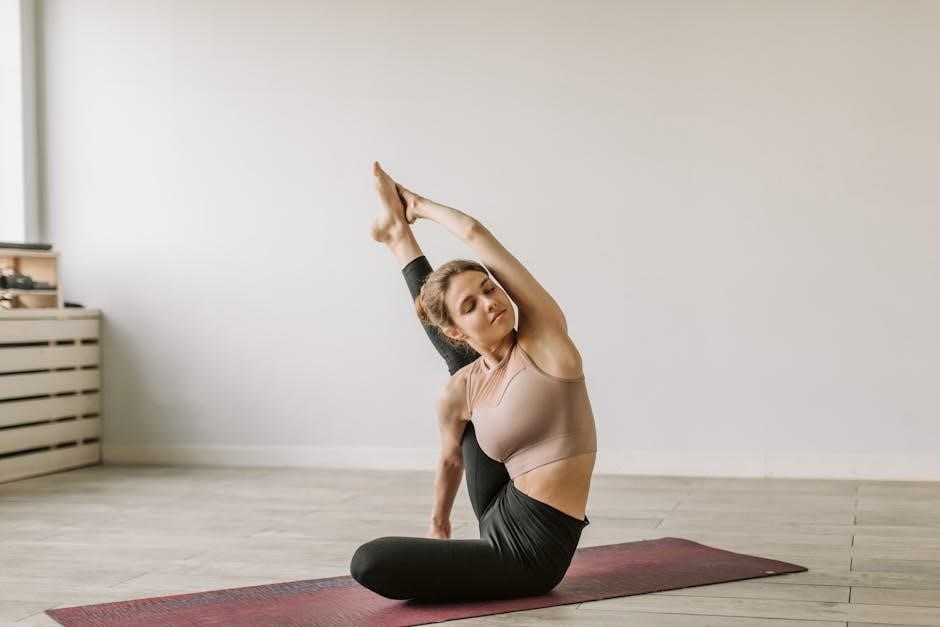
Benefits and Mental Aspects of Ashtanga
Ashtanga Yoga‚ detailed in many PDF guides‚ cultivates both physical strength and mental stillness. Challenging poses quiet the mind‚ fostering profound self-awareness and inner peace.
Physical Benefits of Regular Practice
Ashtanga Yoga‚ comprehensively outlined in available PDF resources‚ delivers a wealth of physical advantages through its dynamic and rigorous practice. The consistent flow of vinyasas‚ detailed in sequence PDFs‚ builds significant strength‚ particularly in the core‚ arms‚ and legs.
These PDF guides demonstrate how the practice enhances flexibility‚ improving range of motion in joints and lengthening muscles. The emphasis on bandhas‚ explained within these materials‚ supports spinal health and promotes internal organ massage.
Regular practice‚ as illustrated in Ashtanga Yoga PDFs‚ improves cardiovascular health‚ increases stamina‚ and aids in weight management. The detailed pose breakdowns in these guides allow practitioners to safely build strength and endurance. Furthermore‚ the practice can improve posture‚ balance‚ and coordination‚ contributing to overall physical well-being. Accessing these PDFs provides a structured path to these benefits.
The Role of Ashtanga in Stillness of Mind
While Ashtanga Yoga PDFs primarily detail the physical asanas‚ the practice’s profound mental benefits are intrinsically linked. The demanding nature of the sequences‚ readily available in downloadable PDF formats‚ requires intense focus‚ effectively drawing attention away from racing thoughts.
The synchronization of breath with movement – vinyasa – as illustrated in these PDF guides‚ cultivates a meditative state. Consistent practice‚ guided by PDF resources‚ fosters self-awareness and encourages practitioners to observe their thoughts and emotions without judgment.
The discipline inherent in adhering to the set sequences‚ detailed in Ashtanga Yoga PDFs‚ translates to increased mental clarity and emotional resilience. By challenging both the body and mind‚ Ashtanga promotes a sense of presence and inner peace. Ultimately‚ the practice‚ supported by accessible PDF materials‚ is a powerful tool for cultivating stillness of mind.